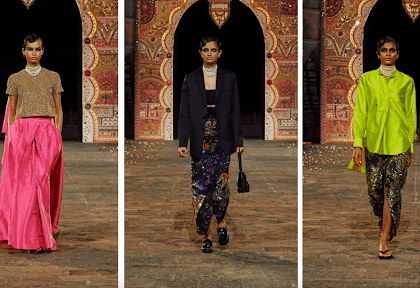
Redefining Sustainable Luxury the global luxury industry in 2026. What was once considered a contradiction has become one of the most important conversations shaping the future of luxury. For decades, luxury was associated with exclusivity, rarity, and a certain level of excess. Sustainability, on the other hand, was often linked to restraint and conscious consumption.
Today, those two worlds are converging. Consumers no longer see sustainability and luxury as opposing ideas. Instead, they expect luxury brands to deliver exceptional craftsmanship while also demonstrating environmental and social responsibility. The question is no longer whether luxury should be sustainable. The question is whether a luxury brand can remain relevant without sustainability at its core.
Fast forward to today, and the mood has shifted entirely. Welcome to the era of Quiet Luxury, where the most expensive thing in the room is often the thing you almost didn’t notice.

Craftsmanship Was Always Half the Story
Luxury houses have quietly practiced elements of sustainability for centuries.
A hand-stitched leather bag designed to last thirty years is naturally more sustainable than a mass-produced product that needs replacing every few seasons. Traditional luxury craftsmanship has always emphasized quality, durability, and longevity over disposability.
Luxury artisans spend years perfecting their skills, creating products that can be repaired, restored, and passed down through generations. This philosophy aligns naturally with many modern sustainability principles.
Consumers want evidence. They want transparency about materials, sourcing, production methods, and environmental impact. Heritage remains important, but accountability is becoming equally valuable.
Luxury groups such as LVMH and Kering have committed significant resources toward carbon reduction initiatives, responsible sourcing programs, and sustainability reporting. Brands are increasingly expected to demonstrate measurable progress rather than simply rely on their reputation.
Accountability Has Become the New Status Symbol
One of the most interesting developments in the luxury industry is that transparency itself has become a form of prestige.
A decade ago, consumers showcased luxury through logos and visible branding. Today, many luxury consumers take pride in understanding where products come from, how they were made, and whether they meet ethical standards.
Knowing that a watch uses responsibly sourced gold or that a handbag was produced using environmentally conscious tanning methods has become its own form of status.
This shift is particularly evident among Millennials and Gen Z consumers, who increasingly expect luxury brands to align with their personal values.
In many ways, accountability is becoming the new luxury currency.
Consumers are rewarding brands that are transparent about their environmental footprint while questioning those that rely on vague sustainability claims without meaningful action.
Key Pillars of Sustainable Luxury
1. Responsible Sourcing
Luxury brands are investing heavily in responsibly sourced materials, including recycled gold, traceable leather, ethically sourced gemstones, and certified raw materials.
Consumers increasingly want to understand the origins of the products they purchase and whether those materials have been sourced responsibly.
2. Circular Economy
The luxury industry is embracing circular business models that extend product lifecycles.
Resale, rental, repair, refurbishment, and restoration services are becoming essential components of luxury strategies. Rather than encouraging constant replacement, brands are focusing on maximizing the lifespan of their products.
3. Transparency and Traceability
Modern luxury consumers demand visibility into supply chains.
Digital product passports, blockchain technology, and sustainability reporting allow brands to verify sourcing, manufacturing processes, and environmental performance.
Transparency is quickly becoming a competitive advantage.
4. Sustainable Innovation
Innovation is playing a major role in the future of Sustainable Luxury.
Luxury brands are experimenting with lab-grown diamonds, recycled materials, bio-based textiles, and lower-impact production techniques that reduce environmental harm while maintaining product quality.
5. Timeless Craftsmanship
Perhaps the most sustainable luxury strategy remains the simplest one: creating products that last.
Timeless design and exceptional craftsmanship reduce the need for constant replacement and encourage more thoughtful consumption.
Sustainable Luxury Brands Leading the Change
Several luxury brands have emerged as leaders in sustainability and responsible business practices.
Stella McCartney
Widely recognized as one of the pioneers of sustainable luxury, Stella McCartney has built her brand around ethical sourcing, innovation, and environmental responsibility.
Chloé
Chloé has become one of the first luxury fashion houses to achieve B Corp certification, demonstrating a strong commitment to social and environmental standards.
Gucci
Gucci has invested significantly in carbon reduction initiatives, sustainable materials, and responsible sourcing programs.
Cartier
Cartier continues to focus on responsible sourcing of precious metals and gemstones while improving transparency throughout its supply chain.
LVMH and Kering
As two of the world’s largest luxury groups, LVMH and Kering are investing billions into sustainability initiatives, environmental innovation, and responsible luxury practices.
These companies demonstrate that sustainability is no longer a niche initiative—it is becoming central to luxury business strategy.
The Rise of Resale and Circular Luxury
If there is one clear indicator of where luxury values are heading, it is the growth of the resale market.
What was once viewed as a secondary market has become one of the fastest-growing segments of the luxury industry.
Consumers are increasingly buying pre-owned luxury products, not because they cannot afford new items, but because they value sustainability, rarity, and investment potential.
Luxury resale platforms have transformed perceptions of ownership.
A pre-owned Hermès bag or Rolex watch is often seen as evidence of lasting quality rather than a compromise.
This shift is being driven largely by younger consumers who prioritize access, longevity, and sustainability over traditional ownership models
What Sustainability Means for Luxury Brands
For luxury brands, sustainability is no longer simply a marketing campaign.
It influences every aspect of the business:
- Product design
- Material sourcing
- Manufacturing
- Packaging
- Logistics
- Customer experience
- Product resale and recycling
Brands that integrate sustainability into their operations are building stronger trust and long-term customer relationships.
Luxury consumers increasingly view environmental responsibility as a reflection of brand authenticity.
The brands that succeed will be those that make sustainability part of the product itself rather than an afterthought.
Career Opportunities in Sustainable Luxury
As sustainability becomes central to luxury business strategy, demand for specialized talent is growing rapidly.
1. Sustainability Manager
Develops and oversees environmental strategies, sustainability initiatives, and responsible business practices.
2. ESG Analyst
Measures environmental, social, and governance performance while helping organizations meet reporting requirements and stakeholder expectations.
3. Luxury Supply Chain Specialist
Ensures responsible sourcing and ethical supply chain management throughout production processes.
4. Circular Economy Manager
Creates and manages resale, rental, refurbishment, and repair initiatives.
5. Sustainable Product Developer
Works on innovative materials and product designs that reduce environmental impact.
6. Sustainability Communications Specialist
Helps luxury brands communicate sustainability initiatives authentically and effectively to consumers.
For students interested in luxury brand management, sustainability knowledge is becoming just as valuable as marketing, retail, and branding expertise.
The Future of Sustainable Luxury
The future of Sustainable Luxury will be shaped by technology, innovation, and changing consumer expectations.
Digital Product Passports
Consumers will increasingly verify authenticity, sourcing, and sustainability credentials through digital product records.
AI-Powered Sustainability
Artificial intelligence will help luxury brands optimize production, reduce waste, and improve operational efficiency.
Regenerative Luxury
The industry is beginning to move beyond sustainability toward regenerative practices that actively restore ecosystems and communities.
Sustainable Consumer Expectations
Future luxury consumers will continue demanding greater transparency, accountability, and environmental responsibility from the brands they support.
Luxury brands that fail to adapt may struggle to remain relevant in a rapidly evolving marketplace.