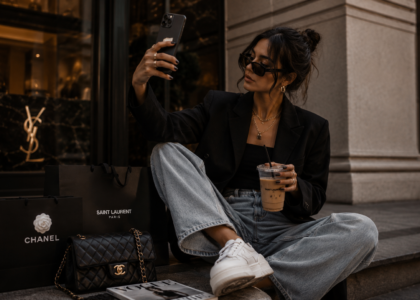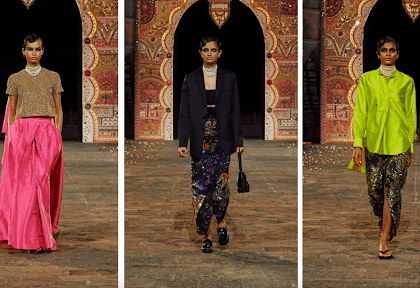
Quiet Luxury has become one of the most influential movements in the global luxury industry. A few years ago, luxury was loud. Logos the size of dinner plates, monograms stamped on everything from handbags to hoodies, and an unspoken rule that if people couldn’t immediately tell how much you spent, you were doing it wrong.
Fast forward to today, and the mood has shifted entirely. Welcome to the era of Quiet Luxury, where the most expensive thing in the room is often the thing you almost didn’t notice.
What Is the Quiet Luxury?
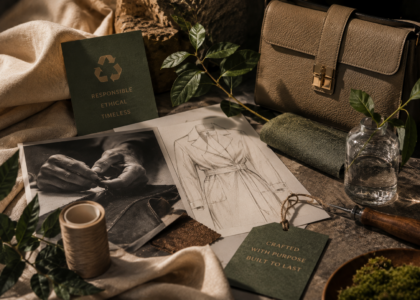
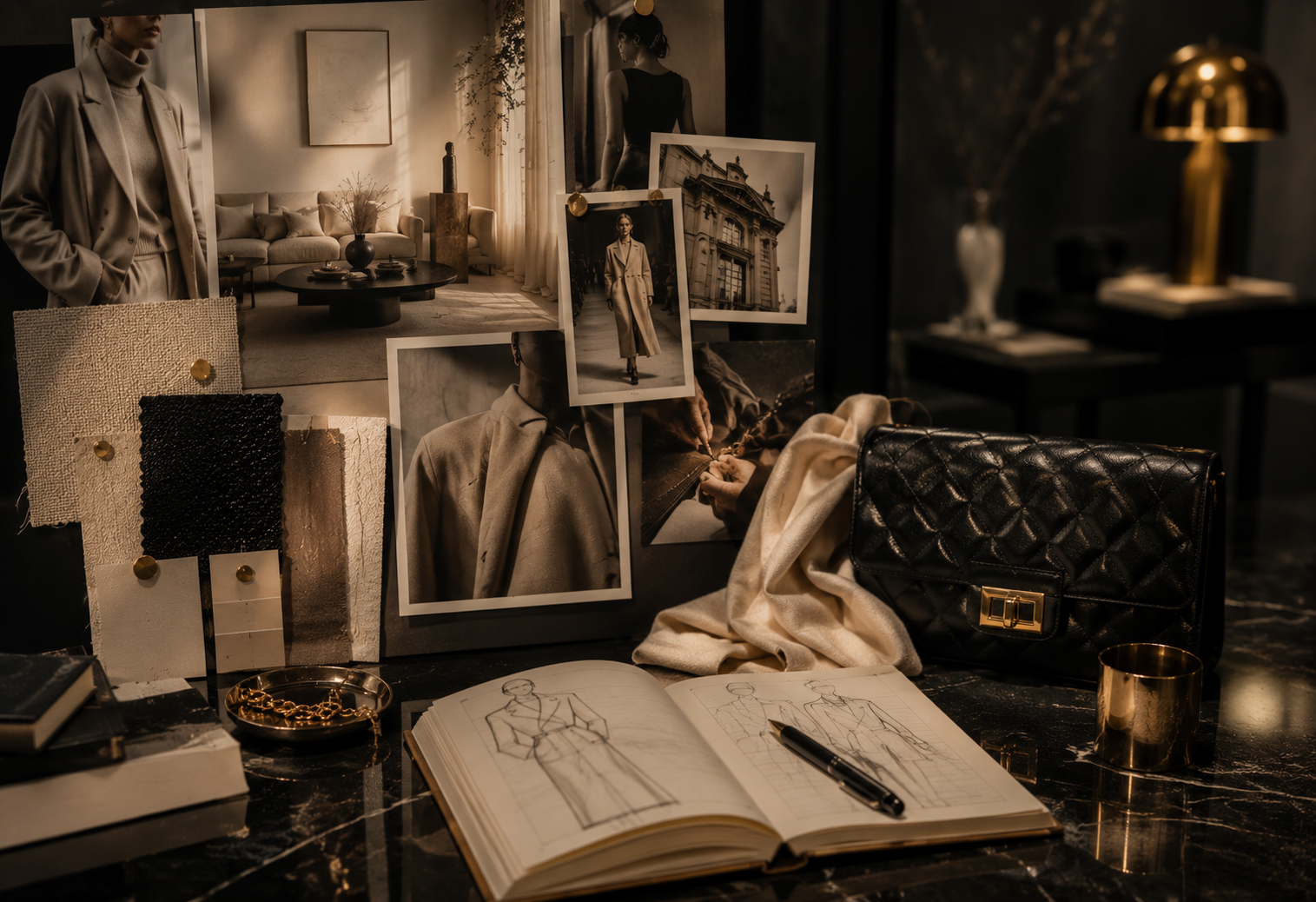
Quiet Luxury is less a trend and more a philosophy. It is built on the idea that true wealth doesn’t need to announce itself. Think impeccably tailored cashmere in muted tones, leather goods with no visible branding, and fabrics so exceptional they whisper rather than shout.
The aesthetic draws heavily from old-money style and timeless elegance. Brands such as Loro Piana, Brunello Cucinelli, The Row, and Hermès have become symbols of this movement because they prioritize craftsmanship, quality, and understated sophistication over overt branding.
Popular culture has also helped fuel the trend. Shows like Succession introduced audiences to wardrobes filled with ultra-expensive pieces that looked deceptively simple. The message was clear: real luxury isn’t about recognition from everyone; it’s about recognition from those who truly understand quality.
The appeal isn’t just visual. It’s emotional. After years of influencer culture pushing flashy hauls and logo-heavy dressing, there is growing fatigue around luxury as performance. Consumers increasingly want purchases that feel personal, intentional, and authentic.
Why Quiet Luxury Became Popular
It’s worth asking why this shift happened now, and the timing isn’t really a coincidence.
A period of economic uncertainty made overt displays of wealth feel less aspirational and, in some cases, disconnected from reality. When inflation and financial concerns dominate headlines, conspicuous consumption can feel out of touch.
Social media also played an ironic role. Loud logos became so common and so easily replicated that they gradually lost their exclusivity. Counterfeit products and affordable “dupes” flooded digital platforms, making recognizable branding less effective as a status symbol.
Quiet Luxury offered something different. It emphasized details that are difficult to imitate: superior fabrics, flawless tailoring, exceptional craftsmanship, and heritage manufacturing. You can copy a logo. It is much harder to copy decades of artisanal expertise.
There is also a generational shift taking place. Many younger luxury consumers now associate excessive branding with attention-seeking behavior rather than genuine sophistication. Quiet Luxury aligns with values such as authenticity, longevity, and intentional consumption.
What This Means for Luxury Brands
For luxury houses, this shift has triggered an important recalibration.
Brands that built their identity around highly visible logos are being challenged to communicate value in different ways. Instead of relying solely on brand recognition, they must emphasize craftsmanship, heritage, quality, and storytelling.
Many luxury brands are responding by investing more heavily in:
- Artisanal craftsmanship
- Heritage storytelling
- Sustainable sourcing
- Timeless product design
- Customer experience
This trend has also created opportunities for smaller luxury labels. Independent brands with exceptional products but limited brand visibility can now compete more effectively because consumers are increasingly prioritizing quality over recognition.
Brands such as Bottega Veneta have embraced this approach successfully by reducing visible branding while strengthening product design and craftsmanship.
What Quiet Luxury Means for Consumers
For consumers, Quiet Luxury offers a kind of relief.
It removes the pressure to constantly chase trending logos and instead encourages a more personal approach to purchasing decisions. The focus shifts from “Will other people recognize this?” to “Does this genuinely fit my lifestyle and values?”
There is, however, an interesting paradox.
Quiet Luxury pieces are often even more expensive than their logo-heavy counterparts because much of the value is embedded in materials, construction, and craftsmanship rather than branding alone. A simple-looking cashmere sweater from Loro Piana may cost significantly more than a heavily branded luxury item.
In many ways, Quiet Luxury has become its own form of exclusivity. The status comes not from being recognized by everyone but from being recognized by a select group of people who understand quality and craftsmanship.
For everyday consumers, however, the broader lesson extends beyond luxury fashion. Investing in fewer, better-made products that last longer is a principle that applies across all budgets.
Career Opportunities in Quiet Luxury Trend
The rise of Quiet Luxury is also reshaping career opportunities within the luxury industry.
Luxury brands now need professionals who understand craftsmanship, sustainability, consumer psychology, and heritage storytelling. Expertise is becoming more valuable than simply following trends.
Career opportunities emerging from this shift include:
1. Luxury Brand Manager
Professionals responsible for maintaining brand identity while balancing heritage with evolving consumer expectations.
2. Luxury Buyer and Merchandiser
Experts who curate collections based on quality, craftsmanship, and consumer demand.
3. Luxury Marketing Specialist
Marketers who focus on storytelling, authenticity, and emotional engagement rather than traditional advertising.
4. Visual Merchandiser
Creative professionals who communicate elegance and exclusivity through retail environments.
5. Personal Stylist and Image Consultant
As consumers increasingly invest in fewer, higher-quality pieces, demand for personalized luxury styling continues to grow.
6. Authentication and Resale Specialist
The growing luxury resale market requires professionals capable of verifying authenticity and assessing product value.
For students considering careers in luxury, this is an ideal time to develop expertise in luxury branding, consumer behavior, product knowledge, and retail strategy.
The Future of Quiet Luxury
So where does Quiet Luxury go from here?
Fashion trends are cyclical, and there will inevitably be a return to more expressive and statement-driven styles at some point. However, the core principles behind Quiet Luxury appear likely to remain.
Consumers have become more aware of quality, craftsmanship, and long-term value. Once people experience the difference between a trend-driven purchase and a truly well-made product, it becomes difficult to ignore.
Luxury brands will likely continue blending subtle sophistication with selective statement pieces rather than choosing one extreme over the other.
Technology will also play an important role. Digital product passports, traceability tools, and advanced authentication systems will allow consumers to verify craftsmanship and origin without relying on visible logos as proof of authenticity.
Perhaps most importantly, Quiet Luxury may permanently reshape how status is defined. Instead of being about visible spending, status increasingly reflects knowledge, taste, discernment, and an appreciation for quality.