Influencer Marketing in the Luxury Industry is rapidly transforming how premium brands communicate with modern consumers. From luxury fashion houses and premium hospitality brands to luxury automobiles and beauty labels, influencer collaborations are now one of the most powerful tools for building aspiration, digital visibility, and customer loyalty.
Traditionally, luxury brands relied on fashion magazines, celebrity endorsements, runway shows, and exclusive events to maintain prestige. However, social media platforms like Instagram, YouTube, and TikTok have completely changed consumer behavior. Modern luxury consumers, especially Millennials and Gen Z, now discover brands through creators, influencers, and digital storytelling.
Unlike traditional advertising, influencer marketing creates emotional connection and relatability. Luxury consumers today are not simply buying products — they are buying identity, lifestyle, exclusivity, and experiences. Influencers help luxury brands communicate these emotions in a more authentic and engaging way.
Understanding Influencer Marketing in Luxury
Influencer marketing refers to collaborations between brands and individuals who have strong social media influence and loyal audiences. These influencers create content that promotes products, services, or experiences in a way that feels authentic and personal.
Unlike traditional advertising, influencer marketing feels more natural because followers often trust influencers as lifestyle inspirations rather than advertisers. This is especially important in the luxury industry, where trust, perception, and exclusivity play a major role in purchasing decisions.
Luxury influencer marketing focuses less on direct selling and more on storytelling, aesthetics, and emotional connection. A luxury campaign is successful when consumers admire the lifestyle associated with the brand and emotionally connect with it.
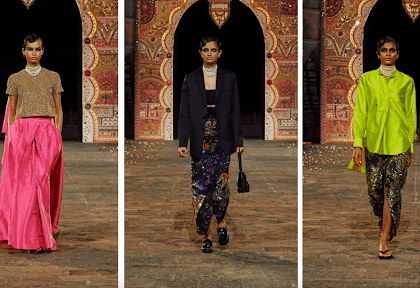
For example, brands like Dior, Louis Vuitton, Gucci, and Chanel regularly collaborate with influencers, celebrities, and digital creators to maintain cultural relevance and connect with younger audiences.
Luxury hospitality brands and premium travel experiences are also heavily using influencer collaborations to showcase experiences rather than just services. High-end resorts, Michelin-star restaurants, and luxury destinations often invite creators to document their experiences through Instagram reels, YouTube vlogs, and lifestyle photography.
Why Influencer Marketing Matters in the Luxury Industry
Building Aspirational Value
Luxury thrives on aspiration. Consumers are attracted to luxury brands because they represent success, prestige, elegance, and exclusivity. Influencers help bring this aspirational lifestyle to life through visually curated content and storytelling.
When audiences see influencers wearing luxury fashion, staying at luxury resorts, or attending exclusive events, they begin associating those experiences with a desirable lifestyle.
The rise of “quiet luxury” and old-money aesthetics on social media platforms has further strengthened this trend. Luxury today is no longer only about logos; it is also about sophistication, minimalism, and lifestyle identity. Influencers play a major role in shaping these trends online.
Reaching Gen Z and Millennial Consumers
Millennials and Gen Z are becoming the fastest-growing consumers in the luxury market. Unlike previous generations, these audiences spend more time on Instagram, YouTube, TikTok, and other digital platforms than on traditional media.
They also prefer authenticity and relatability over highly polished advertisements. Influencers create content that feels personal and engaging, making luxury brands more approachable without losing their exclusivity.
Brands like Jacquemus and Prada have successfully used social media creators and influencer-led campaigns to stay culturally relevant among younger audiences.
Luxury brands are now investing heavily in digital storytelling because Gen Z consumers often discover brands through influencers before they interact with traditional advertising.
Different Types of Luxury Influencers
Celebrity Influencers
Luxury and celebrities have always shared a strong connection. Actors, musicians, athletes, and public figures naturally represent prestige and exclusivity. Luxury brands frequently collaborate with celebrities during fashion weeks, product launches, and campaigns.
For example, Louis Vuitton’s collaborations with celebrities like Zendaya and BTS members generated massive digital engagement and global visibility.
Mega and Macro Influencers
Mega influencers usually have millions of followers across multiple platforms. They help luxury brands reach global audiences while maintaining aspirational appeal.
Macro influencers, especially in fashion, beauty, travel, and luxury lifestyle, often create highly aesthetic content that aligns well with luxury branding.
These influencers are commonly invited to luxury events, hotel experiences, fashion launches, and exclusive previews.
Micro Influencers and Niche Creators
Micro influencers may have smaller audiences, but they often generate stronger engagement and trust. Luxury brands are increasingly collaborating with niche creators because their recommendations feel more authentic and community-driven.
Specific luxury creators focusing on watches, fine dining, luxury automobiles, luxury travel, and designer fashion are becoming highly valuable for premium brands.
This shift reflects a larger trend in luxury marketing where authenticity is becoming just as important as visibility.
Social Media Platforms Driving Luxury Influencer Marketing
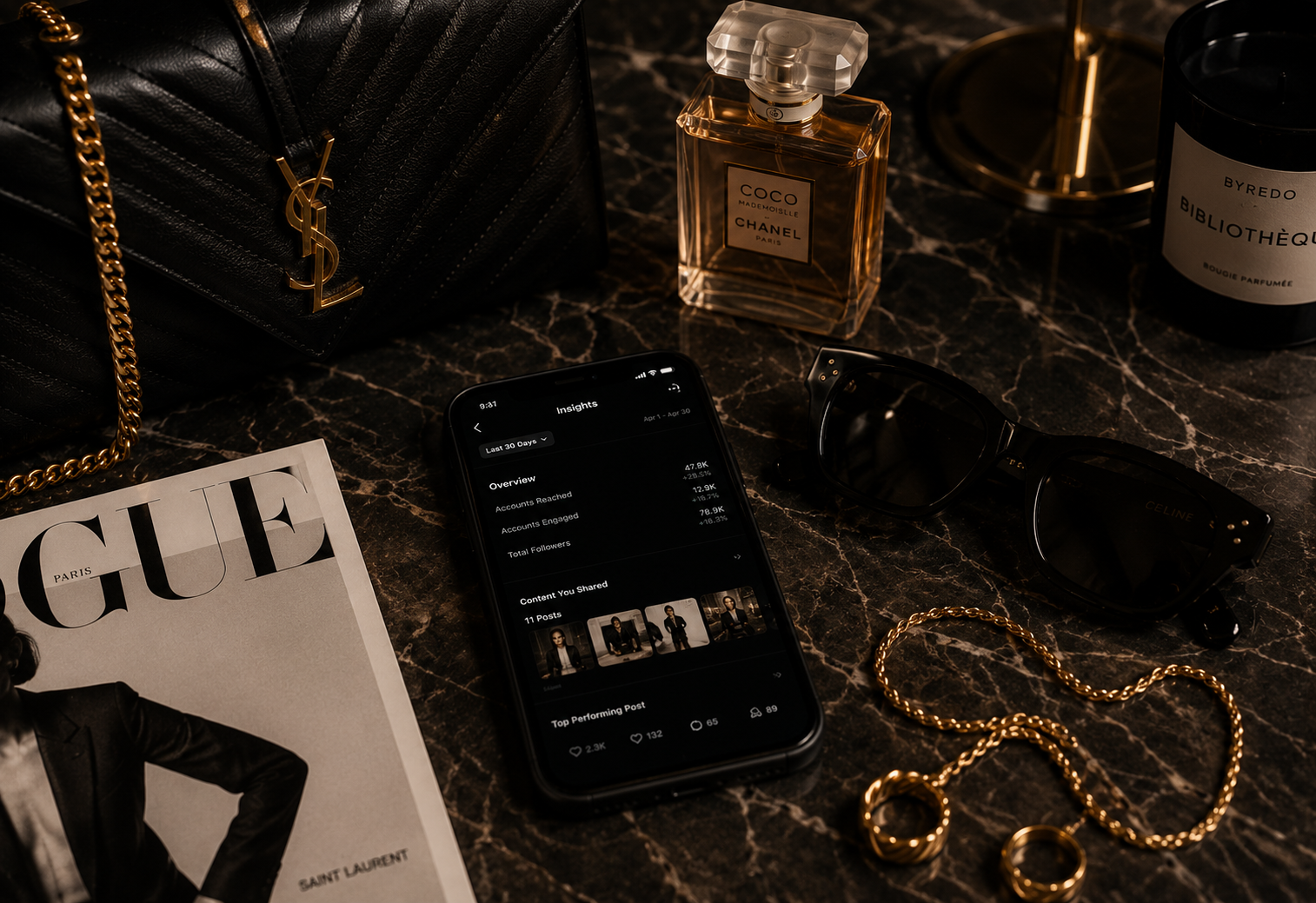
Instagram remains one of the most important platforms for luxury influencer marketing because of its visual-first nature. Luxury brands use Instagram for:
- Fashion campaign launches
- Influencer collaborations
- Product teasers
- Behind-the-scenes content
- Event coverage
- Luxury lifestyle storytelling
The platform’s aspirational culture perfectly aligns with luxury aesthetics. High-quality reels, stories, and editorial-style photography help luxury brands maintain prestige while increasing engagement.
YouTube
YouTube allows luxury influencers to create long-form storytelling content. Unlike short-form platforms, YouTube gives audiences deeper insights into products and experiences.
Luxury creators often post:
- Designer fashion hauls
- Luxury shopping vlogs
- Hotel reviews
- Travel experiences
- Beauty tutorials
- Brand reviews
This form of content builds trust because viewers feel they are getting authentic opinions and detailed experiences.
TikTok and Short-Form Content
TikTok has changed how younger audiences interact with luxury brands. Trends like “quiet luxury,” “old money fashion,” and luxury lifestyle aesthetics became popular largely because of short-form video content.
Luxury brands initially avoided TikTok due to concerns around exclusivity, but many brands are now actively investing in creator partnerships and short-form campaigns to remain culturally relevant.
The Importance of Authenticity in Luxury Influencer Marketing
One of the biggest challenges in influencer marketing is maintaining authenticity. Luxury consumers are highly aware of branding strategies and can easily identify forced collaborations.
If influencers promote too many unrelated products or partner with brands that do not match their personal identity, audiences may lose trust. This is why luxury brands now focus more on long-term collaborations instead of one-time promotions.
For example, luxury beauty and fashion brands often work with the same ambassadors repeatedly to create consistency and credibility. Long-term partnerships feel more natural and believable to audiences.
Authenticity is especially important because luxury purchases are emotional and identity-driven. Consumers want reassurance before investing in premium products and experiences.
The Future of Influencer Marketing in Luxury
The future of influencer marketing in luxury will become even more experience-driven and technology-focused. Trends such as AI-generated influencers, virtual fashion creators, immersive retail experiences, and social commerce are already shaping the next phase of luxury marketing.
Luxury brands are also focusing more on sustainability, cultural relevance, and personalized storytelling. Influencers who genuinely align with brand values will continue to play a major role in shaping consumer behavior and digital conversations.
As the luxury industry evolves, influencer marketing will no longer be viewed as an optional marketing tool. It will remain one of the strongest ways for brands to build emotional connection, cultural relevance, and digital visibility.