The Art of Storytelling in Luxury is one of the most powerful tools shaping the modern luxury industry. Whether it is a Hermès Birkin bag, a Rolex watch, or a Chanel fragrance, consumers are rarely purchasing a product alone. They are investing in a story, a heritage, and a lifestyle that reflects their aspirations and identity.
In today’s competitive luxury market, storytelling has become more important than traditional advertising. Luxury consumers seek authenticity, craftsmanship, exclusivity, and emotional connection. Through carefully crafted narratives, luxury brands transform products into symbols of prestige and create lasting relationships with their audiences.
The world’s most successful luxury brands understand a simple truth: people may forget advertisements, but they remember stories.
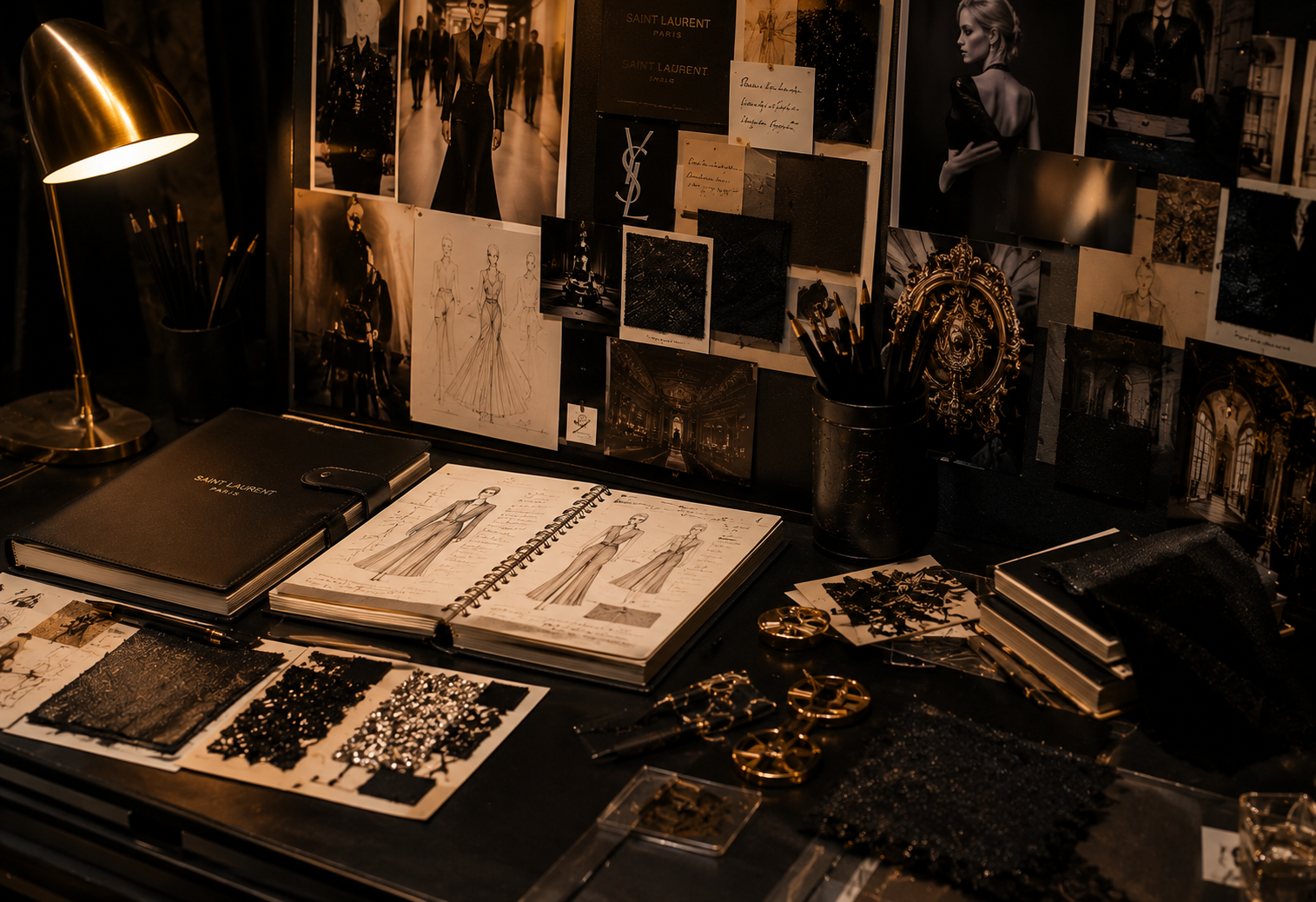
What Is Luxury Brand Storytelling?
Luxury Brand Storytelling refers to the process of communicating a luxury brand’s heritage, craftsmanship, values, vision, and purpose through compelling narratives.
Unlike traditional marketing, which focuses on product features and benefits, luxury storytelling focuses on emotions, aspirations, and experiences. It helps consumers understand not only what a brand sells but also what it represents.
Luxury brands use storytelling to answer questions such as:
- What inspired the brand?
- What values define it?
- Why is its craftsmanship unique?
- How does it fit into a consumer’s lifestyle?
The answers create emotional attachment and strengthen brand loyalty.
Why Luxury Brand Storytelling Matters More Than Ever
The luxury industry is changing rapidly.
Millennials and Gen Z consumers now represent a growing share of luxury spending. These consumers value authenticity, experiences, and meaningful brand connections over traditional status symbols.
Research shows that younger luxury buyers are increasingly drawn to brands that share their values and tell compelling stories. Ownership alone is no longer enough. Consumers want to understand the people, purpose, and heritage behind the products they purchase.
As a result, Luxury Brand Storytelling has become one of the most important pillars of luxury marketing.
It helps brands:
- Build emotional engagement
- Increase perceived value
- Create differentiation
- Strengthen customer loyalty
- Improve long-term brand equity
How Luxury Brands Use Storytelling to Build Desire
Luxury thrives on aspiration.
Consumers are attracted to luxury brands because they symbolize success, prestige, elegance, and exclusivity. Storytelling helps transform these abstract ideas into experiences consumers can emotionally connect with.
Louis Vuitton
Louis Vuitton consistently combines fashion, art, and culture in its storytelling. Collaborations with artists such as Yayoi Kusama have transformed product launches into global cultural events.
Chanel
Chanel continues to build its narrative around Coco Chanel’s revolutionary vision of independence and timeless elegance. Every campaign reinforces the brand’s heritage and identity.
Hermès
Hermès emphasizes craftsmanship and rarity. Stories about artisans handcrafting products reinforce exclusivity and justify premium pricing.
Rolex
Rolex rarely talks about watches alone. Instead, the brand tells stories about achievement, exploration, and excellence, making ownership feel like a symbol of success.
These examples show how Luxury Brand Storytelling creates emotional desire far beyond product functionality.
Heritage and Craftsmanship: The Foundation of Luxury Brand Storytelling
One of the strongest storytelling assets in luxury is heritage.
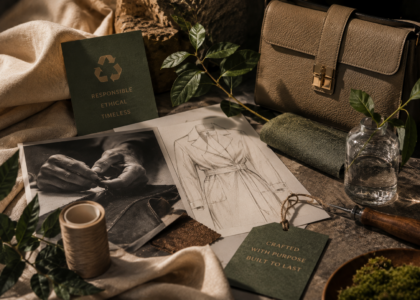
Many luxury brands have histories spanning decades or even centuries. These stories reinforce authenticity and trust.
Consumers appreciate brands that maintain traditions while continuing to innovate.
Craftsmanship is equally important.
Luxury consumers are willing to pay premium prices because they value:
- Attention to detail
- Handcrafted production
- Exceptional materials
- Superior quality
Stories about artisans, workshops, and production processes help consumers understand the value behind luxury products
The Role of Digital Media in Art of Storytelling in Luxury
Digital platforms have transformed how luxury brands communicate.
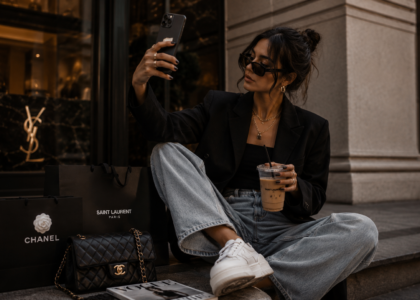
Instagram, YouTube, TikTok, podcasts, and immersive digital experiences allow brands to tell stories in new ways.
Luxury brands now use:
- Behind-the-scenes content
- Brand documentaries
- Influencer collaborations
- Virtual experiences
- Interactive campaigns
Digital storytelling enables luxury brands to connect with younger audiences while preserving exclusivity and prestige.
Career Opportunities in Art of Storytelling in Luxury
As storytelling becomes increasingly important, luxury brands are actively seeking professionals who can build and manage powerful narratives.
Career opportunities include:
- Luxury Brand Manager
- Luxury Marketing Specialist
- Content Strategist
- Luxury PR Executive
- Customer Experience Manager
- Luxury Communication Specialist
- Brand Storytelling Consultant
Professionals who understand consumer psychology, branding, and storytelling are becoming highly valuable across the luxury industry.
The Future of Art of Storytelling in Luxury
The future of Art of Storytelling in Luxury will be shaped by personalization, technology, sustainability, and cultural relevance.
Consumers increasingly expect brands to stand for something meaningful while delivering exceptional experiences.
Luxury brands that successfully combine heritage, innovation, and authenticity will continue to build stronger emotional connections and long-term loyalty.
Storytelling will remain one of the most powerful competitive advantages in luxury marketing.