
Walk into a Zara and you’ll find racks of clothes, self-checkout stations, and a fast-moving line. On the other hand, Step inside a Chanel boutique in Paris or the Gucci Garden in Florence, and you’ll instantly feel it. Luxury retail is not just shopping, it’s a ceremony. A client might be handed a glass of champagne before even mentioning what they’re looking for. A dedicated advisor may already know their previous purchases, preferred color palette, and birthday. Compare that to a typical high-street experience where the focus is speed, convenience, and discounts and you’ll begin to see the gap.
Luxury retail isn’t built on transactions. It’s built on transformation.
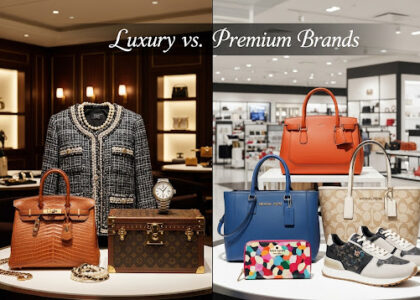
While regular retail caters to mass markets, luxury retail curates rare, emotional, highly personal moments. A visit to a Louis Vuitton flagship isn’t just about buying a bag, it’s about feeling part of a legacy. In the world of Hermès or Dior, the product is only part of the story. The rest is about how it makes you feel, how the brand treats you, and how your experience is quietly elevated at every step.
And this isn’t just surface-level polish. It’s a whole different philosophy, one that influences everything from customer service to pricing, marketing to supply chain.
In this blog, we will explore the key differences between luxury and regular retail, highlight unique career opportunities in luxury retail and show how The School of Luxury Retail’s curriculum equips you for success in this elite industry
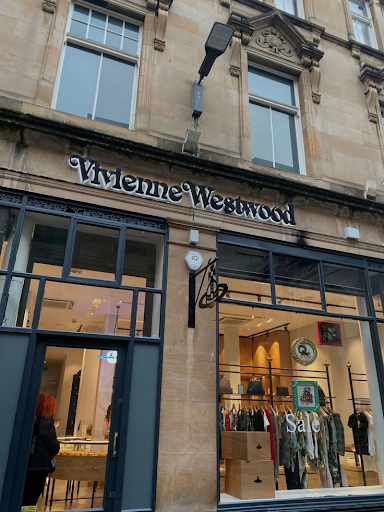
The Distinctive Elements of Luxury Retail
1. Exclusivity over accessibility
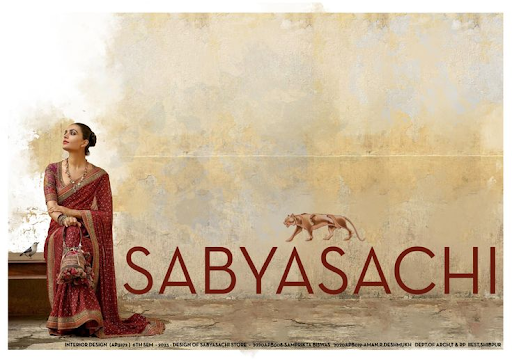
Think about a Sabyasachi lehenga. You don’t just stroll into a store and pick one off the rack. There’s a waitlist, a consultation, and often a custom fitting involved. Owning one is about more than fashion.Now compare that to a mass-produced ethnic outfit available at any mall. That’s the heart of luxury retail. It thrives on scarcity and story, limited collections and invite-only previews. Regular retail, on the other hand, is all about scale and accessibility, designed to cater to everyone, everywhere.
Courses like Luxury Branding & Positioning teach students how to cultivate and maintain brand exclusivity.
2. Experiential shopping
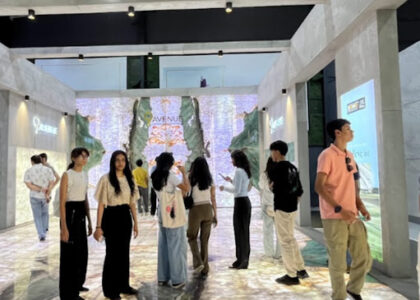
Shopping in luxury retail feels more like stepping into a story than walking into a store. The lighting, the scent, the music, the way you’re greeted,it’s all part of a carefully crafted experience meant to make you feel special. On the other hand, regular retail is all about getting in and out. It’s practical, efficient, and designed for quick decisions. You find your size, pay at the counter, and move on. It works, but it doesn’t leave much of an impression.
The Customer Experience Management module emphasizes crafting exceptional in-store experiences.
3. Storytelling and heritage
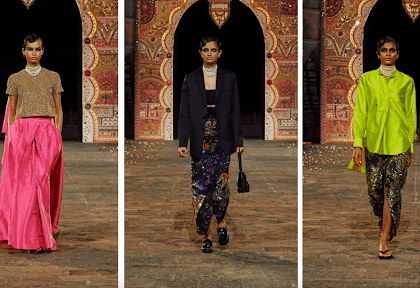
Luxury brands often have rich histories and narratives that are integral to their identity. This storytelling adds depth and value to their products. Regular retail typically focuses on product features and pricing. Such as Sabyasachi Bridal Lehenga, his pieces often incorporate hand embroidery, age-old Indian textiles, and regional craftsmanship from places like Banaras, Kolkata, and Kashmir.
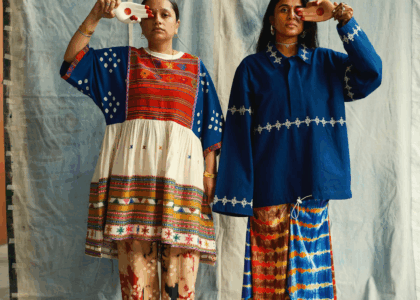
His designs preserve centuries-old Indian techniques like zardozi, gota patti, and kantha, making each piece wearable history.
Luxury Brand Storytelling courses delve into creating compelling brand narratives.
4. Personalized customer relationships
In luxury retail, clients are known by name, preferences, and purchase history. Building long-term relationships is key. Regular retail often lacks this level of personalization.
Training in Clienteling and CRM Systems prepares students to manage and nurture client relationships effectively.
5. Emphasis on craftsmanship and quality
A single hand-knotted carpet can take anywhere from 6 months to 3 years to complete , depending on the size, density (knots per square inch), and intricacy of the design. Luxury products are synonymous with superior craftsmanship and materials. This focus on quality justifies their premium pricing. Regular retail products are often mass-produced with cost-efficiency in mind.
The Product Knowledge and Quality Control module educates students on the nuances of luxury goods.
The School of Luxury Retail is not just a school. It’s a finishing academy for the next generation of luxury professionals. You’ll learn the difference between good service and exceptional service. Between marketing a product and telling a story. Between price and value.
From language training (French & Italian) to live case studies with global luxury houses, The School of Luxury Retail’s program ensures you graduate with both industry knowledge and emotional intelligence.
Retail isn’t retail when it’s luxury.
Luxury retail isn’t just a fancier version of regular retail. It’s an entirely different mindset. It requires a deep understanding of human emotion, aesthetics, psychology, and brand philosophy. If you’re drawn to storytelling, detail, and service that goes beyond the expected , you’re already thinking in the right direction. The School of Luxury Retail will help you turn that mindset into a career. The School of Luxury Retail is where future leaders of fashion, beauty, hospitality, and design take shape.
Explore The School of Luxury Retail today and turn your passion for luxury into a powerful global career.